
Hunting knives Victorinox
A reliable knife is one of the basic hunting essentials. Specialized knives exist to meet all the demands of foresters and hunters. Such a knife must handle ordinary tasks in the woods, but also be capable of processing the catch. These are usually fixed-blade knives, but some hunters may prefer folding knives.
Among hunting knives, you can find the skinner, a knife specifically designed for skinning game. It typically has a wide and heavily curved belly and often a shorter, raised tip. Some hunting knives are also finished with a gut hook (or clearing hook).
#ShowMore#
The handles of hunting knives are most often made from natural materials like wood or antler, which provide a classic look and feel. However, composite materials like G10 and Micarta are also becoming increasingly popular due to their lower maintenance requirements.
Popular hunting knife brands include: ANV, Böker - Magnum, Joker, Miguel Nieto, Mikov, Muela, Morakniv, Victorinox, and others.
Accessories and Knife Care
Proper subsequent care is an important part of working with knives. Every knife should be sharp enough to fulfill its basic function. To ensure your knife remains functional for longer, regular maintenance is essential.
Product sorting
List of products

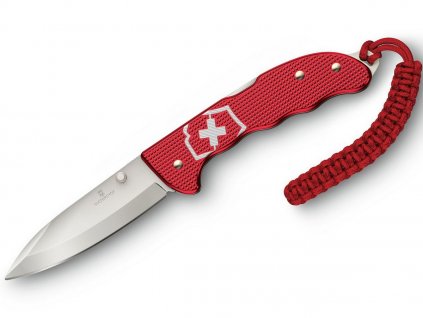
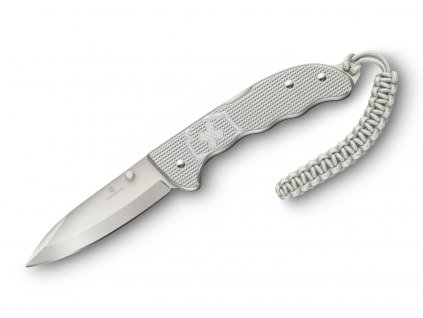

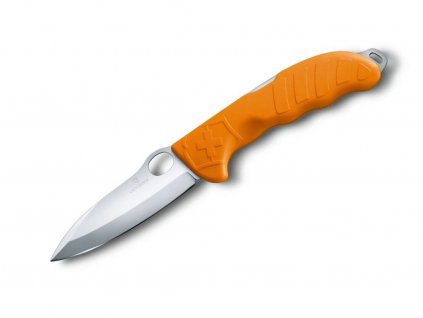
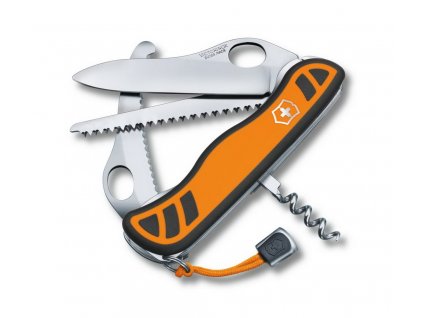

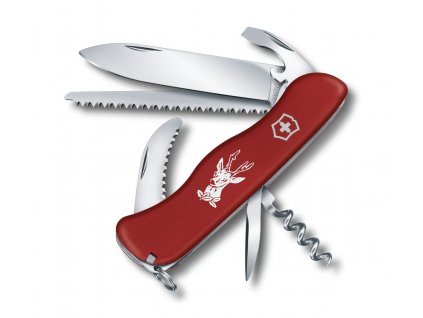


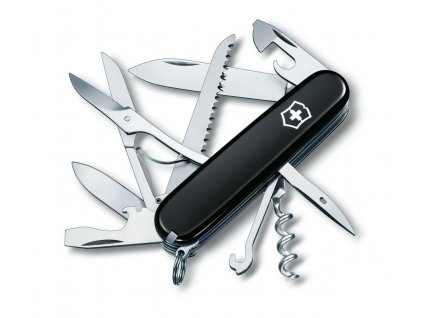
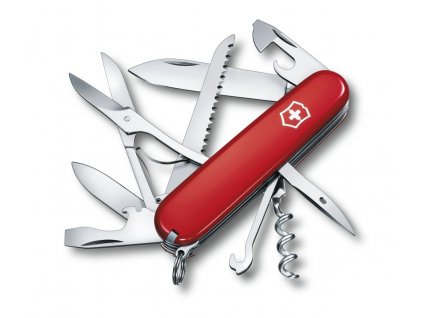
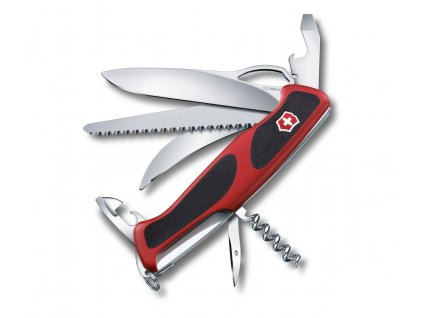
Listing controls
What exactly is a hunting knife used for?
Hunting knives can be used as regular knives for the woods and wilderness, meaning they are useful for preparing food, working with wood, and various other tasks like cutting ropes, straps, or opening packages.
However, they differ due to their primary use during hunting. The shape and edge of hunting knives are specially designed to handle gutting, skinning, and portioning the animal.
How do I properly care for a stag handle?
Stag is a natural material, so it requires more specific care to maintain both its appearance and durability.
Care involves three steps:
- Cleaning – Only wash by hand (never in a dishwasher!) using lukewarm water and a mild soap. Use a soft-bristled brush to remove dirt. Never leave the handle soaking in water for a long time, as it can absorb moisture, leading to swelling or cracking. After washing, immediately and thoroughly dry the handle with a soft cloth. Do not let it air dry to prevent water absorption and subsequent drying out.
- Hydration and Protection – Stag can crack over time. Occasionally, it must be treated with a small amount of natural oil, such as mineral oil or linseed oil. Apply the oil with a cloth, allow it to soak in, and then wipe off any excess.
- Storage – Ideally, the knife should be kept in a leather sheath, on a stand, or in a drawer with good air circulation in a dry environment. Protect it from direct sunlight, which can cause the color to fade.
What is the typical blade shape of a hunting knife?
You can generally find hunting knives with a drop-point or clip-point blade, which are versatile and suitable for most tasks. However, you can also find the skinner, a knife specially designed for skinning. It has a wide and heavily curved belly and often a shorter, raised tip. This allows for long, continuous cuts without damaging the hide. The short, duller tip prevents unwanted punctures to the entrails or hide. Some hunting knives are also finished with a gut hook.
How do I sharpen a hunting knife?
Essentially, you sharpen it just like any other knife. However, if you choose a more robust hunting knife, be aware that it will require sharpening kits that can handle its size. You can also purchase a pocket sharpener for emergency sharpening directly in the field.
Which steel is better – carbon or stainless?
Ultimately, the choice is entirely yours. Carbon steel is strong and tough, ideally hard for more demanding tasks. However, high-quality stainless steel can also handle these tasks. Its major advantage is that it requires less intensive maintenance, and you can use it worry-free in wet environments.